A clogged drain is rarely just an inconvenience. What begins as slow drainage can quickly turn into standing water, bad odors, pipe damage, and even backups affecting multiple fixtures. Homeowners searching for how to unclog a drain often try natural remedies first, especially baking soda and vinegar.
While DIY methods can help with minor buildup, most recurring clogs are signs of deeper plumbing problems. This detailed guide explains how drain clogs form, how baking soda and vinegar actually work, why many drains clog again, and when professional service from All American Plumbing becomes the safest and most cost-effective solution.
What Causes a Clogged Drain?
Clogged drains form gradually as materials collect along pipe walls. Each time water flows down the drain, residue sticks inside the plumbing system. Over time, this buildup restricts water flow.
Common causes include:
- Soap scum from soaps and shampoos
- Hair accumulation in bathroom sinks
- Grease and food residue in kitchen drains
- Mineral deposits from hard water
According to the U.S. Environmental Protection Agency, poor drainage can contribute to water waste and hidden plumbing damage if ignored.
Once buildup narrows the pipe, water struggles to move freely, leading to slow drains and repeated clogs.
How Baking Soda and Vinegar Unclog Drains
Baking soda (sodium bicarbonate) and white vinegar (acetic acid) create an acid–base chemical reaction when combined. This reaction produces carbon dioxide gas, which causes bubbling and fizzing inside the drain.
The pressure from this gas can loosen soft debris such as soap scum and organic residue. The reaction also produces sodium acetate, which rinses away when flushed with hot or boiling water.
Chemistry resources from LibreTexts Chemistry explain that this reaction is effective for surface-level buildup but does not dissolve hardened grease or mineral scale.
This is why vinegar and baking soda work best on slow drains, not fully clogged pipes.
How to Unclog a Sink Using Baking Soda and Vinegar
What You Need
- 1 cup baking soda
- 1 cup white vinegar
- Boiling water
Step-by-Step Process
- Remove any standing water from the sink.
- Pour the baking soda directly into the drain.
- Slowly add the white vinegar.
- Cover the drain and wait 20–30 minutes.
- Flush thoroughly with boiling water.
This method can temporarily restore flow in bathroom sinks clogged by soap scum and light debris.
For additional non-chemical options, review this guide.
How to Unclog a Bathroom Sink Naturally

Bathroom sinks clog faster than most drains because hair, soap residue, and personal care products stick easily to pipes. Baking soda and vinegar can help loosen this buildup, but only if the clog is near the drain opening.
If the sink remains slow after treatment, the stopper assembly should be removed and cleaned. Hair often collects there and blocks water before it reaches the pipe.
Recurring bathroom sink clogs usually indicate buildup deeper in the drain line.
Why DIY Drain Cleaning Often Fails
DIY methods only affect the first few inches of a drain. According to the International Association of Certified Home Inspectors, repeated clogs often point to problems deeper within branch lines or main drains.
Signs DIY methods are no longer effective include:
- Clogs returning within days
- Water backing up into other fixtures
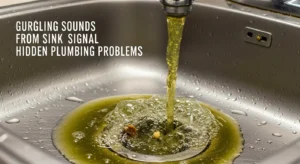
- Gurgling noises in drains
- Persistent odors
Repeated DIY attempts can push debris farther into the plumbing system, increasing the risk of complete blockages.
Why Chemical Drain Cleaners Are Risky
Many store-bought drain cleaners rely on sodium hydroxide or corrosive acids to break through clogs. While these chemicals may clear a blockage temporarily, they also weaken pipes over time.
Professional plumbers frequently repair pipe damage caused by repeated chemical drain cleaner use, especially in older homes with aging plumbing systems.
Natural methods are safer for maintenance, but professional cleaning is necessary when buildup becomes severe.
When to Call All American Plumbing
When drains continue to clog despite DIY efforts, professional drain cleaning is the safest solution.
Homeowners call All American Plumbing when they experience:
- Complete drain blockages
- Multiple clogged drains
- Water backing up
- Recurring slow drainage
Our licensed plumbers use professional-grade equipment to remove buildup completely, restoring full pipe diameter and proper flow.
Learn more about drain cleaning.
For urgent situations, we also offer emergency service.
Why Homeowners Trust All American Plumbing

Homeowners don’t want temporary fixes. They want long-term protection for their plumbing system.
All American Plumbing is trusted because we:
- Identify the real cause of clogs
- Use pipe-safe professional methods
- Prevent repeat drain issues
- Provide honest recommendations
Our goal is not just to unclog your drain but to keep it flowing properly.
Stop Repeating DIY Fixes
Baking soda and vinegar can help with minor clogs, but if your drains clog repeatedly, it’s time for a permanent solution.
Schedule service today with All American Plumbing and get professional drain cleaning done right the first time.