Why It Matters: Grease, fats, and cooking oils may pour out of the pan in liquid form, but once they cool in your pipes, they solidify, gradually narrowing the passage and eventually causing a clog.
What to Do Instead:
- Collect and Discard: Pour cooled grease into a heat-safe container—like an empty jar or a tin can—and throw it in the trash once it solidifies.
- Wipe Pans with Paper Towels: Before washing greasy cookware, wipe away excess grease with a paper towel and discard it.
 Why It Matters: Kitchen drains are not designed to handle every type of waste. Even if you have a garbage disposal, certain items can wreak havoc on your plumbing.
What to Avoid:
- Fibrous Foods: Celery strands, corn husks, and onion skins can tangle and form clumps that resist water flow.
- Starchy Foods: Pasta, rice, and potato peels swell with water, turning into sticky paste that blocks pipes.
- Coffee Grounds: They don’t break down easily and can accumulate, creating stubborn blockages.
What to Do Instead:
- Use a Drain Strainer: A simple mesh strainer catches food particles, preventing them from entering the pipes. Empty it regularly into the compost or trash.
- Compost When Possible: Organic scraps like vegetable peelings and fruit rinds are better off in a compost bin than down the drain.
 Why It Matters: If you rely on a garbage disposal, it needs adequate water flow to carry ground-up particles away. Insufficient water can cause these particles to settle in your pipes, leading to clogs.
What to Do:
- Cold Water Only: Run cold water before, during, and after using the disposal. Cold water helps solidify fats, making them easier for the disposal to grind up, rather than liquefy and coat the pipes.
- Run Water for Longer: Keep the water running for at least 20-30 seconds after you’ve finished grinding to ensure all debris is flushed through.
 Why It Matters: Preventive maintenance goes a long way. Regularly flushing your kitchen drain helps wash away small particles before they can accumulate into a bigger problem.
How to Do It:
- Hot Water Flush: Pour a kettle of boiling water down the drain once a week. The heat helps dissolve grease and wash away soap scum.
- Natural Cleaners: A mixture of baking soda and vinegar can also help break down deposits. Pour half a cup of baking soda down the drain, follow with half a cup of vinegar, let it fizz for 10-15 minutes, then flush with hot water.
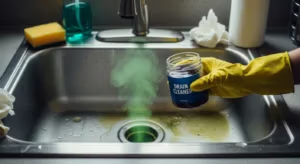
 Why It Matters: Chemical drain cleaners promise quick fixes but often do more harm than good. They can damage your pipes, harm the environment, and may not fully resolve the underlying issue.
What to Do Instead:
- Try a Plunger or Drain Snake: For minor clogs, a plunger or a drain snake is often all you need. These tools physically dislodge the blockage without damaging your pipes.
- Call a Professional: If repeated attempts fail, it’s best to contact a licensed plumber. Professional plumbers use advanced tools like hydro-jetting or video pipe inspections to identify and resolve clogs safely and effectively.
 Why It Matters: Proactive maintenance can catch potential issues before they turn into severe blockages or major pipe damage. Regular plumbing check-ups ensure that your kitchen drain stays in top shape.
What to Expect:
- Early Detection of Issues: A plumber can identify developing problems, such as slow-draining pipes or small leaks, and fix them before they worsen.
- Advice on Upgrades: A professional may recommend installing a better-quality drain strainer, upgrading your garbage disposal, or replacing outdated pipes for improved performance and reliability.