A hidden plumbing leak can be a silent destroyer, gradually eroding your home’s value, structural integrity, and air quality without a trace. These disguised leaks often go unnoticed until you face costly mold growth, warped flooring, or alarming water bills.
Unchecked, they cause structural damage and health risks due to lingering humidity. This guide will help you identify plumbing leak signs, explain hidden leak detection techniques, and offer tips to prevent future issues.
According to the EPA, 10% of U.S. homes have leaks that waste over 90 gallons of water daily. Let’s start with the early signs you shouldn’t ignore.
What Are Hidden Plumbing Leaks and Why Do They Matter?
A hidden plumbing leak is a water escape occurring in areas like walls, ceilings, or floors, spaces that are not easily seen. These leaks often stem from hidden pipe corrosion, broken joints, or loose fittings. Though silent, they cause concealed water damage, unhealthy humidity, and eventual mold growth.
Over time, this can lead to costly structural damage and higher water bills. Because they are hard to spot, hidden leak detection is difficult for most homeowners. Unfortunately, by the time you notice surface damage, the issue may be extensive. That’s why learning to detect leaks early is vital. To solve such issues early, professional Leak detection services in Houston TX can accurately locate and repair unseen water leaks before they cause major harm.
1. Common Sources of Concealed Leaks

Many hidden leaks start in areas we rarely inspect. Behind walls, pipe fittings can loosen over time. In homes with concrete foundations, slab leaks occur when under-slab piping cracks or corrodes. You can also Detect and Prevent Slab Leaks in Your Texas Home by scheduling routine inspections.
Leaks also form in ceiling lines, especially from upper-floor bathrooms. Each scenario results in water damage far from the actual leak site, making slab leak signs or ceiling drips easy to miss without routine checks or professional inspections.
2. The Cost of Ignoring Hidden Leaks
Over time, ignoring a hidden plumbing leak can cost thousands. Mold remediation may run over $2,000, and structural repair often exceeds $10,000. Meanwhile, inflated water bills quietly drain your finances. The longer the leak goes undetected, the more damage and expense it creates, both to your home’s structure and indoor air quality. Calling All Plumbing Services in Bellaire early can save you from expensive repairs later.
How to Spot Important Signs of Hidden Plumbing Leaks?
Often, the first signs of a hidden leak appear far from its source. Subtle changes like humidity, discoloration, or odors can indicate that water is traveling through walls or ceilings. Spotting these plumbing leak signs early is key to limiting long-term damage.
1. Unexplained High Water Bills
A sudden spike in your utility bill without any lifestyle change can signal a hidden plumbing leak. To confirm, perform a water meter reading, turn off all faucets and appliances, then check the meter. If it continues to move, you are likely losing water somewhere.
2. Damp Spots, Musty Odors, or Mold
Have you noticed mold stains on the ceiling, damp patches on walls, or a musty smell in your basement? These are signs of moisture saturation caused by concealed water damage. Such environments foster mold growth, which spreads quickly and affects air quality.
3. Warping, Peeling Paint, and Bubbling Wallpaper
Visible wall damage, such as peeling paint, warped wooden trims, or bubbling wallpaper, often traces back to an unnoticed hidden plumbing leak.
Moisture trapped beneath the surface breaks down adhesives and finishes over time. These visual cues suggest internal saturation and should never be ignored. The longer they persist, the greater the risk of structural decay and mold.
4. Unusual Sounds Behind Walls
Hearing faint dripping, hissing, or water running behind walls, especially when no taps are on, could mean a hidden leak is present. These subtle, silent leak damages often go unnoticed during the day but may become more obvious at night.
5. Hot Spots on Floors (Slab Leaks)
Warm patches on your tile or hardwood floors may indicate a slab leak, a pipe leak occurring beneath your foundation. These hot spots, usually from heated water lines, are easy to overlook. But if left alone, they can compromise your building foundation.
How to Diagnose Hidden Leaks Using Tools & Techniques?
Homeowners can perform simple tests to detect leaks before damage spreads. Basic methods like monitoring the water meter or using a moisture meter help identify issues. For complex cases, professional hidden leak detection using advanced tools is recommended.
1. Monitor Your Water Meter
Turn off all water sources and check your static water meter. Record a baseline reading, wait 30 minutes, and recheck. If the number increases, you likely have a hidden plumbing leak. This method is simple, non-invasive, and ideal for early plumbing leak signs. Be sure the shut-off valve is closed fully during testing.
2. Use Moisture Meter or Infrared Imaging
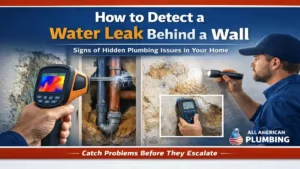
A moisture meter detects water in walls and floors by comparing readings against dry areas. Elevated readings suggest a hidden leak. For larger areas, a thermal camera shows temperature variations caused by moisture. These tools help locate concealed leaks before visible damage occurs, especially in bathrooms, kitchens, and basements.
3. Dye Testing & Toilet Leak Check
Add a few drops of food coloring to your toilet tank. Wait 15 minutes without flushing. If the color appears in the bowl, you have found a leak. This simple test helps detect leaks in toilet seals, a common source of water loss, and early signs of silent leak damage.
4. Professional Leak Detection Services
When DIY efforts don’t find the issue, call a professional. Experts use acoustic leak detectors, pressure tests, and thermal imaging to locate hidden plumbing leaks with precision. Hiring a plumber ensures no structural harm is caused during diagnosis, and fast repair prevents worsening damage and increased water loss. If your faucet or joints are leaking, Faucet & Leak Repair Services Professional can help restore your plumbing system efficiently.
When to Call a Plumber for Hidden Leak Repair
If you suspect a burst pipe, detect a slab leak, or find recurring signs like dampness or mold, it’s time to call a licensed plumber. Acting early protects your home from irreversible damage and avoids major repair costs.
1. Immediate Red Flags
Certain signs demand urgent action: gushing water, flooding, sudden drops in water pressure, or a continuously running meter. These red flags often point to a serious hidden plumbing leak or pipe failure.
You may need a slab leak specialist or restoration team. Delaying repairs here increases the risk of foundation damage, mold spread, and electrical hazards, making professional help a must, not a choice.
2. Insurance & Permitting Considerations
Hidden leaks may be covered by insurance if reported quickly. Document damage with photos and contact your provider. Larger repairs, especially those involving the slab or structural elements, might require city permits. A home inspector or licensed plumber can help navigate paperwork. Knowing what your policy includes can save you from unexpected costs and streamline repairs.
How to Repair and Prevent Future Hidden Leaks?
Repairing a hidden plumbing leak quickly can protect your home’s health and safety. Focus on quality materials and workmanship. For prevention, regular inspections, water monitoring, and smart tech can help. Insulating pipes, especially in cold areas, reduces risk.
1. Pipe Repair vs Re-piping
Minor leaks can often be patched or a section replaced. But if your system has multiple failures or hidden pipe corrosion, consider full repiping. Though more costly upfront, it prevents recurring leaks and damage. A plumber can assess pipe material, age, and pressure to recommend the safest long-term option for your home.
2. Insulate and Protect Pipes
Freezing temperatures and shifting structures can cause cracks or breaks. Insulating pipes, especially in basements, attics, and exterior walls, reduces this risk. Pipe sleeves or heat tape offer affordable protection. Also, secure loose pipes and avoid placing heavy objects over plumbing lines. These preventive steps minimize strain, lowering the chance of future plumbing leak signs.
3. Install Leak Detectors & SMART Shutoffs
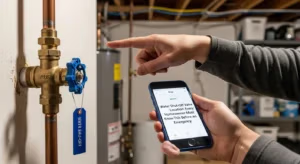
Install leak detectors near water heaters, sinks, and toilets. These devices send alerts when excess moisture is detected. For added safety, SMART shutoff valves can automatically stop water flow during leaks. These tools are ideal for catching silent leak damage early, especially helpful when you are away.
FAQs
1. How can I tell if I have a hidden plumbing leak in my home?
There are various indications of hidden plumbing leaks in your home, including high water bills, damp spots or discoloration on walls and ceilings, unusual sounds like running water behind walls, and musty odors or mold growth.
2. Can mold mean I have a hidden leak?
Yes, mold is a strong indication of a hidden plumbing leak, mainly when found in walls, ceilings, or floors. If mold appears in areas with no visible water source, it’s likely caused by a hidden leak. Check for mold growth behind cabinets, under sinks, in less-ventilated areas, and around pipes, which can grow within 24–48 hours of water exposure.
3. Is it expensive to find and fix a hidden plumbing leak?
Yes, it is expensive to find and fix hidden plumbing leaks. The cost differs based on the leak’s location, complexity, and the methods used to detect and repair it. A small and easily accessible leak costs less, while a large and hidden leak costs more to fix. Generally, leak detection cost ranges from $150-$400, while the cost to fix may exceed $1000.
4. How accurate is the water meter test for detecting leaks?
The water meter test is over 90% accurate in spotting hidden leaks, but its accuracy can differ. It cannot always catch small leaks, for which you need to use a mechanical meter.
5. When should I call a plumber for a suspected hidden leak?
You should call a plumber immediately after suspecting a hidden leak. The signs of a hidden leak can include high water bills, mold growth, dampness, or discoloration on walls or ceilings. Professional inspection ensures accurate and safe repair. Delaying repairs can lead to structural damage or electrical issues.
6. Can leak detection devices prevent water damage from hidden leaks?
Yes, leak detection devices can reduce water damage from hidden leaks by identifying them early and shutting off your water, sometimes even before visible signs appear. These devices can help prevent damage from leaks behind walls, under floors, or in other concealed areas where they can go unnoticed for long periods.
7. What is the most common area for hidden water leaks in homes?
The most common areas for hidden water leaks are inside walls, around walls, under floors and sinks, near water heaters, and beneath slab foundations. If you find a leak, immediately call All American Plumbing for a thorough inspection and leak detection.