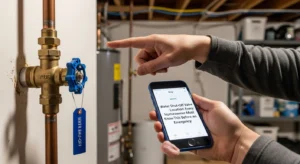
A water heater leak can go unnoticed for hours or even days until you find water spreading across the floor, damaging walls, and soaking your foundation. Silent leaks are more common than most homeowners realize, especially around aging tanks or small fittings. In 2025, water heater leak sensors have evolved into smart devices that detect moisture the instant it appears, sending alerts directly to your phone before the leak turns into a costly disaster.
According to insurance and plumbing reports, water damage repairs average $1,200–$4,800, while a smart leak sensor costs between $20–$200 depending on features. That means a small investment can prevent thousands in flooring, drywall, and mold removal expenses. In many cases, leaks start off extremely small, similar to hidden plumbing leaks that spread silently behind walls.
In this guide, you’ll learn everything you need to know about water heater leak sensors including how they work, top sensor devices in 2025, features to look for, average cost, and installation tips for homeowners. Whether you’re protecting a finished basement, a rental property, or a second home, this guide will help you choose the right device with confidence.
What Is a Water Heater Leak Sensor & How It Works
A water heater leak sensor is a small moisture-sensing device placed at the base of your water heater. When even a thin layer of water touches the sensor, it triggers an alarm, sends a mobile alert, or in some cases, automatically shuts off the water supply.
Most modern sensors use moisture contacts to detect leaks, while smart sensors use Wi-Fi, Bluetooth, or Z-Wave connections to send notifications through an app. This gives you the ability to stop a leak even if you’re not at home. Many homeowners pair leak sensors with regular maintenance habits, such as using natural solutions tounclog a drain without chemicals to keep plumbing systems healthy.
Smart vs Basic Leak Sensors
There are two main types:
Basic Leak Sensor (Standalone Alarm)
- Sounds an audible alarm
- Battery powered
- No smartphone alerts
- Lowest price point ($20–$40)
- Good for small spaces or rentals
Smart Leak Sensor (Wi-Fi/Hub-Connected)
- Sends alerts to your phone
- Works with apps (Alexa, Google, HomeKit)
- Can connect to shut-off valves
- Best for larger homes or finished basements
- Price ranges $70–$200
Some sensors are paired with automatic shut-off valves, which cut the supply line when water hits the sensor stopping the leak immediately.
Water Heater Leak Sensor Prices in 2025
Like other smart home devices, pricing varies based on features. You can choose a simple sensor, a smart Wi-Fi model, or a full shut-off system. Choosing the right system also depends on heater capacity, similar to how homeowners decide what size water tank is needed for their usage needs.
Average Cost Breakdown
Here’s what you can expect to spend in 2025:
- Basic sensor: $20–$40
- Smart Wi-Fi sensor: $70–$200
- Auto shut-off kit: $180–$480
- Professional installation: $80–$200 (optional)
Homeowners with finished basements or wood flooring typically choose smart sensors combined with a shut-off valve.
Sensor Cost Comparison Table
Use this chart to compare device types and decide which option fits your home:
| Sensor Type | Avg Device Cost | Install Cost | Features | Best For |
| Basic Alarm Sensor | $20–$40 | DIY | Beeping alarm | Apartments, rentals |
| Wi-Fi Smart Sensor | $70–$200 | DIY | Phone alerts, app | Modern homes |
| Auto Shut-Off Valve | $180–$480 | $80–$200 | Stops water supply | Finished basements |
If you want maximum protection, the auto shut-off system is the most complete solution.
Best Water Heater Leak Sensors in 2025
With so many smart sensors available, it helps to compare performance, app quality, reliability, and price. Below are some of the top-rated leak sensors in 2025 based on thousands of homeowner reviews.
Top Product Comparison Table
| Model/Brand | Type | Connectivity | Shut-Off Support | Avg Price |
| Flo by Moen | Premium | Wi-Fi, App | Yes | $299 |
| Honeywell Lyric | Smart | Wi-Fi, App | No | $89 |
| Govee Wi-Fi | Budget | Wi-Fi, App | No | $49 |
| Ring Leak Sensor | Smart Hub | Z-Wave | With hub | $34 |
| Phyn Smart Shutoff | Shut-Off | Wi-Fi | Yes | $480 |
These devices offer a balance of mobile alerts, app control, battery life, and integration with smart home systems like Amazon Alexa or Google Home.
Features That Matter When Choosing a Leak Sensor
Not all sensors are designed the same. When comparing models, focus on performance and reliability, not just price.
Here are key features to consider:
1. Alert Type
- Alarm only
- App notification
- SMS alerts
- Smart home alert through Alexa/Google
Smart alerts are crucial if the heater is in a hidden or remote area.
2. Connectivity
- Wi-Fi
- Bluetooth
- Z-Wave (for smart hubs)
- Ethernet (rare)
Wi-Fi provides the most flexibility for phone alerts.
3. Battery Life
Look for:
- Low-battery alerts
- Long-life lithium cells
- Water-resistant casing
4. Auto Shut-Off Compatibility
If you install a shut-off valve, the system turns water off automatically.
5. App Quality
Good apps provide:
- Real-time alerts
- Battery status
- Event history
- Integration with family devices
6. Build Quality
Moisture sensors should withstand:
- Basement humidity
- Occasional condensation
- Floor water exposure
Sensors with IP-rated waterproofing are best for long-term protection.
Where to Install a Water Heater Leak Sensor
Placement matters. Even the best sensor won’t work if placed incorrectly.
Recommended Locations
- Inside the drain pan (best spot)
- Under the tank near the floor
- Next to the cold-water inlet
- Under the T&P valve discharge line
- Near common leak sources on older heaters
Place sensors where water first reaches the floor. If possible, add two sensors for maximum coverage one under the tank and one near pipe joints.
Signs You Need a Leak Sensor
Not every home needs a leak sensor—but many do. Install one if:
- Your heater is 10+ years old
- Your heater sits on finished flooring
- It’s located in a basement or crawl space
- It’s above a lower-level ceiling
- You own a vacation property
- You rent your home out
- You have history of leaks
In these situations, a leak sensor can save time, money, and major headaches.
DIY vs Professional Installation
Installing a water heater leak sensor is usually DIY-friendly, especially basic and smart Wi-Fi sensors.
DIY Installation
- Open the device
- Insert batteries
- Connect to app (if smart)
- Place in the drain pan
- Test the alarm
Total time: 5–10 minutes
Professional Installation
Professional installation is recommended when:
- Installing an automatic shut-off valve
- Adding sensors to a commercial property
- Integrating into smart home plumbing
For those needing professional help, local Houston plumbing services can install leak sensors and shut-off valves correctly and safely.
Installation usually costs $80–$200, depending on plumbing setup.
Avoiding Water Damage: Simple Prevention Tips
A leak sensor is one part of a prevention strategy. To reduce leak risk:
- Flush the water heater annually
- Check for rust, corrosion, sediment
- Inspect the pressure relief valve
- Monitor the heater age
- Ensure the drain pan is installed correctly
- Tighten loose fittings
A leak sensor combined with regular maintenance extends tank life and protects your investment. If you are located in Texas suburbs and want full plumbing support, all plumbing services in Pearland can help ensure your water heater stays safe year-round.
Conclusion
A water heater leak sensor is one of the most valuable smart home safety devices in 2025. For a small investment, you can protect your home from water damage that spreads within hours and often goes unnoticed until it’s too late. Whether you choose a basic alarm, a Wi-Fi smart detector, or a full shut-off system, the right sensor gives you instant alerts, peace of mind, and the ability to take action quickly.
Choose a device based on your home layout, flooring type, and heater age. If your water heater is located in a finished area or is 10+ years old, a leak sensor is a smart decision that can save you money almost immediately. And with simple DIY installation for most sensors, it’s a quick upgrade with long-term protection.
FAQs
How does a water heater leak sensor work?
A leak sensor uses moisture detection points to sense even shallow water. Basic models beep locally, while smart sensors send alerts through Wi-Fi apps, giving early warning before the leak spreads across flooring or walls.
How much does a water heater leak sensor cost?
Basic sensors start at $20–$40, mid-range Wi-Fi models range from $70–$200, and full shut-off systems cost $180–$480, with optional installation fees of $80–$200.
Do I need Wi-Fi for a leak sensor?
Wi-Fi isn’t required for a basic device to work, but you need internet connectivity for mobile notifications, remote monitoring, and smart home integration.
Can a leak sensor shut off the water?
If paired with a smart valve, the sensor can close the water line when it detects moisture. This prevents leaks from spreading while you’re away.
Where should I install the sensor?
Place the sensor in the drain pan, near the tank bottom, next to the cold-water supply, or near the T&P discharge line. Installing two sensors increases coverage.
Are leak sensors worth it?
For less than $200, a leak sensor can prevent thousands in repair costs, especially in basements, finished floors, rental properties, and older heaters.