Knowing the Water Shut-Off Valve Location: Every Homeowner Must Know This information can save your home from serious water damage. When a pipe bursts, a heater leaks, or a supply line fails, every second matters. At Houston Plumbing Expert, we regularly respond to emergencies where homeowners didn’t know where is the water shut off valve outside my house or inside their home costing them time, property, and money.
Why Water Shut-Off Valve Location Matters
Your plumbing system relies on a controlled water supply entering through the main line from the utility meter. The main water shut off valve controls that flow. If a leak occurs and the valve isn’t closed immediately, water can spread through walls, floors, and foundations.
Understanding valve locations allows you to stop water flow before damage spreads. According to the U.S. DHS, shutting off utilities quickly during emergencies significantly reduces structural damage and safety risks.
Water Shut-Off Valve Location in House
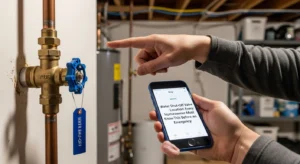
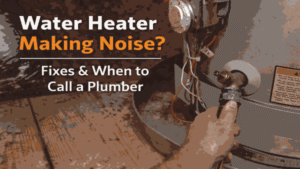
In most homes, the main water shut off valve is located where the supply pipe enters the house. Common indoor locations include the basement near a wall facing the street, a utility room, garage wall, or near the water heater. The valve may be a gate valve with a round handle or a ball valve with a lever handle.
The water shut off valve position matters. A ball valve is closed when the handle is perpendicular to the pipe, while a gate valve requires turning clockwise until fully closed.
Water Shut-Off Valve Location Outside
If you’re asking where is the main water shut off valve outside my house, it’s usually near the water meter. This valve is often inside a ground-level box near the curb, sidewalk, or property line. You may need a valve key to access it safely.
Knowing how to find main water shut off valve outside is critical when indoor access is blocked or the interior valve fails. Utility-owned valves should only be used during emergencies to avoid damage.
Water Shut-Off Valve Location for Mobile Home and Showers
For mobile homes, the water shut off valve location is often beneath the unit, inside a utility box, or near the meter. Access panels may be required. Shower shut-off valves are typically behind an access wall or panel and control individual fixtures not the full system.
These secondary shutoff valves help isolate repairs but won’t stop a main line leak. Understanding the difference prevents confusion during emergencies.
DIY Steps Homeowners Try
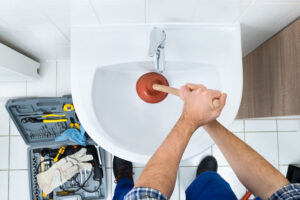
Homeowners often try to trace pipes, inspect meter boxes, or test valves by turning handles. These steps are educational and useful when done carefully. Labeling valve locations and testing them annually can help maintain access.
However, older valves may be seized, corroded, or fragile. Forcing them can cause breaks, leaks, or complete failure especially with aging plumbing systems.
Why DIY Attempts Often Fail
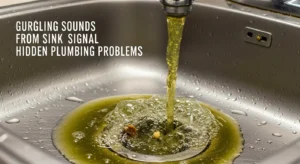
DIY efforts fail when valves haven’t been maintained or are improperly installed. Gate valves can break internally, and ball valves may seize if unused for years. Many homeowners also mistake fixture shutoffs for the main water shut off valve.
Improper handling can turn a manageable leak into a full emergency. The UGE notes that aging shutoff valves are a leading cause of secondary plumbing failures during emergencies.
Are Chemical Products Relevant Here?
Chemical products are not recommended for shutoff valve issues. Sprays and lubricants can temporarily loosen handles but do not repair internal valve damage. Chemicals may also contaminate potable water lines if misused.
Mechanical inspection and professional repair are the only safe ways to address faulty shut-off valves.
Signs Professional Plumbing Service Is Needed
You should call a plumber if the valve won’t turn, leaks after operation, is missing, or cannot fully stop water flow. Rusted handles, cracked pipes near the valve, or unclear valve locations also require professional assessment.
In these situations, professional leak detection and valve replacement prevent future emergencies and protect your plumbing system.
Why Choose All American Plumbing
All American Plumbing works with Houston Plumbing Expert to provide reliable shut-off valve inspections, repairs, and replacements. Our licensed technicians understand local plumbing codes, utility connections, and emergency response protocols.
Whether you need help identifying where to find outdoor water shut off valve or replacing a failed main valve, our team ensures safe access and long-term protection. For urgent situations, our emergency plumbing services are available when time matters most.
Protect Your Home Before the Next Emergency
Knowing your water shut-off valve location before an emergency can prevent thousands of dollars in damage. If you’re unsure where your valve is or if it doesn’t work properly professional help is the safest next step.
Contact All American Plumbing today to schedule an inspection, valve replacement, or emergency service. One visit can protect your home, plumbing system, and peace of mind.
Conclusion
Understanding the Water Shut-Off Valve Location: Every Homeowner Must Know This information is essential for protecting your house during plumbing emergencies. DIY attempts often fail due to aging valves and hidden damage. Professional service ensures reliable access, proper shut-off, and long-term safety. Trust experienced plumbers to keep your water system under control.
FAQs
Why is knowing the water shut-off valve location so important?
Knowing your water shut-off valve location allows you to stop water flow immediately during emergencies like burst pipes or heater leaks. Quick action limits water damage to walls, floors, and foundations, reducing repair costs and preventing structural and mold-related issues.
Where is the main water shut-off valve usually located in a home?
The main shut-off valve is typically where the main supply line enters the house. Common locations include basements, garages, utility rooms, or near the water heater. Some homes also have an exterior valve near the water meter for emergency use.
What should I do if my shut-off valve won’t turn?
If a shut-off valve is stuck, corroded, or leaking, do not force it. Older valves can break internally and worsen leaks. A licensed plumber can safely repair or replace the valve to restore reliable emergency control.
Are outdoor water shut-off valves safe to use during emergencies?
Outdoor shut-off valves near the water meter can be used during emergencies when indoor access is unavailable. However, they often require special tools and careful handling. Improper use may damage utility equipment, so professional guidance is recommended.
When should a water shut-off valve be replaced?
A shut-off valve should be replaced if it leaks, sticks, fails to fully stop water flow, or shows signs of corrosion. Replacing aging valves with modern ball valves improves reliability and ensures faster, safer shutoff during emergencies.