When your toilet won’t stop running after you flush, it’s more than just an annoyance it can waste hundreds of gallons of water a day and signal hidden issues in your plumbing system. At all-american plumbing , we see this every day: homeowners asking why this happens and how to fix it. Understanding the problem helps you know when a quick fix is possible and when professional assistance is the safer choice.
What Happens Inside the Toilet After You Flush?
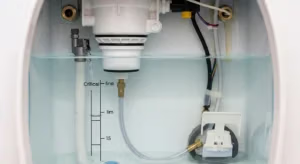
The toilet tank and bowl depend on a finely balanced system of parts working in harmony. After flushing, the tank refills with water that flows through the fill valve, controlled by a float. When components like the flapper, fill valve, or float malfunction, the toilet keeps running because the water can’t shut off properly. According to plumbing science and everyday experience, consistent running is a sign these parts aren’t sealing correctly or communicating with each other. EPA Leaky toilets can waste up to 200 gallons of water daily, so efficient repair is critical for both your wallet and the environment.
Common Causes of a Running Toilet
Faulty Flapper or Seal
The flapper is a rubber piece that lifts to release water into the bowl and then reseals the tank. If it’s worn, warped, or doesn’t seat properly, water continually leaks back into the bowl, causing the fill valve to keep running. Hard water minerals and wear over time degrade flappers, which is why they often fail.
Problematic Fill Valve
If the fill valve doesn’t shut off when the correct water level is reached, the toilet will keep on running. This may happen with old or worn fill valves, or when the float can’t signal the valve to stop water flow.
Float Issues
The float monitors water level and tells the fill valve when to stop filling. If it’s misaligned, stuck, or damaged, the fill valve will think the tank is always below the fill line and never shut off.
Overflow Tube Problems
If water continually flows into the overflow tube, it’s usually because the fill valve isn’t shutting off at the proper height. This means water spills over into the bowl and creates constant running.
Types of Toilets and Their Running Problems
Different toilet designs have unique failure points. For example:
- If you have a wall mounted toilet keeps running after flush, the concealed tank mechanisms may be harder to access and diagnose. These need professional inspection to avoid damage to finished walls.
- A dual flush toilet keeps running after flush often has issues with the flush buttons or the internal dual-valve assembly not sealing correctly.
Can You Fix a Running Toilet Yourself?
Simple adjustments can sometimes stop a toilet from running but many DIY efforts fail or only temporarily fix the issue when underlying parts need replacement. Let’s explore common do-it-yourself steps and why they fall short.
How to Stop a Running Toilet in Seconds
Sometimes you can:
- Lift and reseat the flapper and see if it settles properly.
- Adjust the float height slightly.
- Clean mineral buildup around seals and moving parts.
How to Fix a Running Toilet With a Button Flush
Button flush systems may require cleaning around the actuator or adjusting the clip that holds the flush mechanism. These parts are delicate, and misadjusting them can make the problem worse.
However, these quick fixes don’t always address the root cause, especially if internal parts are worn or malfunctioning. That’s because toilets are under constant pressure and water flow a small misalignment can lead to ongoing water waste, silent leaks, or damage to other components.
Why DIY Often Fails
Home repairs sometimes seem straightforward, but toilets are precision machines. Common DIY mistakes include:
- Replacing the wrong part
- Not installing components to manufacturer specs
- Damaging internal mechanisms while adjusting controls
Without experience, homeowners may temporarily fix the symptom while leaving deeper issues unaddressed leading to recurring running problems and increased water bills.
When to Call a Professional Plumber
Persistent running, unusual noises, or toilets that keep filling up with water when you flush are indicators that professional service is needed. A qualified plumber will:
- Diagnose hidden issues inside the tank and bowl
- Replace worn or damaged parts with quality components
- Ensure water efficiency and prevent future problems
Leaving these problems untreated can lead to wasted water, higher bills, and even damage to your bathroom floor or subfloor over time. The CDC recognizes water efficiency as a public health and safety priority, reinforcing the importance of properly maintained plumbing systems.
Professional Toilet Repair Services
If you’re experiencing a running toilet, don’t wait. Expert plumbers know how to quickly diagnose and fix issues that DIY attempts often miss. Toilet repair services at All American Plumbing include full inspection, part replacement, and testing to ensure your system works reliably and efficiently. We are also equipped to handle related concerns through our broader plumbing services, including comprehensive leak detection and long-term solutions.
Frequently Asked Questions
Why Does My Toilet Keep Filling Up With Water When I Flush?
This usually means the fill valve and float are not shutting off the water at the correct level. Over time, wear or mineral buildup prevents the valve from closing, causing the fill cycle to continue.
How Much Water Does a Running Toilet Waste?
Even a slow leak can waste hundreds of gallons daily, significantly impacting your water bill and home efficiency.
Can I Replace Toilet Parts Myself?
While some homeowners can change flappers or floats, incorrect installation often leads to repeat problems. Professional plumbers ensure proper function and warranty on parts.
Is a Running Toilet an Emergency?
Not always, but persistent running should be addressed quickly to avoid water waste and potential damage. In urgent cases, professional assessment is wise.
Plumbing technology, like modern toilet designs, involves components that must work together seamlessly. Misaligned seals, worn valves, or mechanical failures are not always obvious to an untrained eye. According to industry standards from professional plumbing organizations like the Plumbing-Heating-Cooling Contractors Association, proper diagnosis and repair ensure lasting performance.
Conclusion
Why does my toilet keep running after I flush? Often it’s due to worn internal parts like the flapper, fill valve, or float that no longer seal properly. While simple adjustments sometimes help, many running toilets require professional diagnosis and repair to correct the underlying issue and prevent future problems. Scheduling a trained technician from All American Plumbing ensures lasting results and helps protect your plumbing system and water usage.
Ready for dependable service? Contact us today to schedule a toilet inspection and repair. Our team is standing by to restore your bathroom’s performance.
FAQs
Why does my toilet keep running after I flush?
A running toilet usually means internal parts like the flapper, fill valve, or float are not sealing or shutting off properly. When these components malfunction, water continues flowing into the tank or bowl, causing constant refilling and unnecessary water waste.
How much water can a running toilet waste?
A continuously running toilet can waste up to hundreds of gallons of water per day. Even a slow leak inside the tank increases your monthly water bill and reduces overall household efficiency if not repaired promptly.
Can I fix a running toilet myself?
Minor issues like adjusting the float or reseating the flapper may temporarily stop the running. However, worn internal parts often require proper replacement. Incorrect installation can lead to recurring problems and further water waste over time.
Why does my dual flush toilet keep running?
Dual flush toilets may run if the internal flush valve assembly or button mechanism does not reset correctly. If the seal does not close tightly, water continues flowing into the bowl, requiring inspection and adjustment or part replacement.
When should I call a plumber for a running toilet?
You should contact a professional if the toilet continues running after adjustments, makes unusual noises, or frequently refills. A licensed plumber can diagnose hidden issues, replace faulty components, and ensure long-term water efficiency.