If you are noticing recurring leaks, low pressure, or strange odors, these are clear signs your plumbing system is aging and needs replacement. Over time, plumbing pipes degrade, affecting water quality, increasing utility bills, and even causing structural damage. Many homeowners assume small issues are harmless, but aging systems often fail suddenly.
Understanding early warning signs helps you prevent costly repairs, improve water efficiency, and avoid emergencies. This guide breaks down exactly what to look for and what actions to take next.
How Long Does Plumbing Last in a House
The lifespan of a plumbing system depends heavily on pipe material and usage. For example, galvanized steel pipes typically last 40 to 50 years, while copper can last up to 70 years. In rare cases, well-maintained systems may approach 100 years, but performance usually declines long before that. Aging systems often show subtle signs like discoloration or pressure changes that homeowners overlook.
If your home still has vintage pipes such as lead pipes or early steel lines, replacement becomes a safety priority. These outdated materials can negatively impact water quality and pose health risks. According to the EPA guidance on lead in drinking water, older plumbing systems are a major source of contamination.
Frequent Leaks and Hidden Water Damage
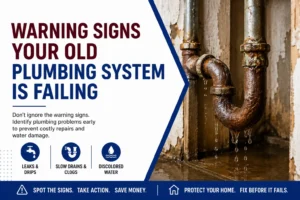
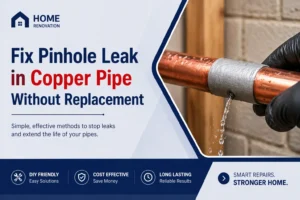
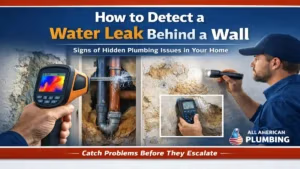
Recurring leaks are one of the most obvious indicators your system is failing. Even small drips can lead to major damage behind walls or under floors. If you constantly repair leaks, it is often more cost-effective to consider replacing plumbing pipes rather than patching individual sections. You can learn more about identifying hidden issues in this hidden leaks guide.
Leaks also contribute to wasting water, which increases your monthly bills and reduces water efficiency. Over time, this unnecessary strain on your system accelerates deterioration. Professional plumbing services can inspect the entire system and identify whether repairs or full plumbing upgrades are the smarter long-term solution.
Discolored or Poor Water Quality
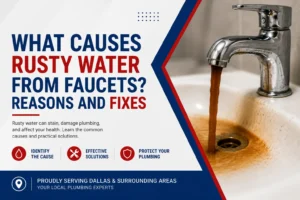
If your tap water appears brown, yellow, or metallic tasting, it is often a sign of internal pipe corrosion. This is especially common in homes with galvanized steel or aging copper systems. Poor water quality is not just unpleasant but can indicate serious internal damage that requires immediate attention.
Corrosion buildup also restricts flow and reduces pressure. Over time, these deposits can break loose and contaminate your supply. Research from university-based water studies highlights how aging infrastructure directly affects drinking water safety. Replacing old lines ensures cleaner, safer water for your household.
Low Water Pressure Throughout the Home
Consistently low pressure across multiple fixtures is rarely a simple fix. It usually points to internal pipe buildup, leaks, or aging infrastructure. If only one fixture is affected, it may be a localized issue, but widespread pressure loss signals deeper problems within your plumbing system.
DIY fixes often fail because they treat symptoms rather than the cause. Temporary solutions like cleaning aerators will not resolve internal corrosion or pipe collapse. Professional inspections help determine whether you need targeted repairs or a full replace piping in house solution.
Strange Noises and Pipe Movement
Banging, rattling, or gurgling sounds are often dismissed as minor annoyances. In reality, they can indicate pressure imbalances, loose fittings, or internal damage. These sounds become more frequent as systems age and weaken, especially in older homes with outdated layouts.
Ignoring these noises can lead to pipe bursts or major leaks. If you hear consistent sounds, it is time to consult professionals. This gurgling sounds resource explains why these issues occur and when they require immediate attention.
Rising Utility Bills Without Explanation
An unexpected increase in water or energy bills often points to inefficiencies within your system. Hidden leaks, outdated fixtures, and poor insulation all contribute to higher costs. Aging systems are less energy efficient, especially when heating hot water.
Upgrading to modern plumbing solutions like tankless water heaters can significantly reduce energy consumption. According to the U.S. Department of Energy guide, these systems improve efficiency and lower long-term costs. Investing in upgrades helps you save money while improving performance.
Outdated Pipe Materials and System Design
Homes built decades ago often use materials that are no longer considered safe or efficient. Lead pipes, galvanized steel, and early plastic lines are prone to corrosion, leaks, and contamination. These materials also struggle to meet modern water demand.
Upgrading your system allows you to integrate smart plumbing technology and improve overall reliability. Modern systems are designed to handle higher usage while maintaining consistent pressure and quality. If your home still relies on outdated materials, a full system evaluation is essential.
Signs Professional Service Is Needed
Many homeowners attempt DIY fixes, but aging systems require expert evaluation. Temporary repairs often fail because they do not address underlying issues. If you notice recurring problems, it is time to consider professional plumbing services to avoid long-term damage.
Call a professional when you experience:
- Multiple leaks in different areas
- Persistent low pressure
- Discolored water
- Unexplained increase in utility bills
- Frequent drain backups
For urgent situations, explore emergency help to prevent further damage.
Why Choose All American Plumbing
Choosing the right professionals ensures your investment delivers long-term results. Experienced technicians understand how to assess aging systems and recommend the most effective solutions, whether that involves targeted repairs or full replacements.
Working with a trusted provider means access to advanced tools, accurate diagnostics, and efficient installations. Learn more about available solutions through our services to see how expert support can restore your system’s performance and reliability.
FAQs About Plumbing System Upgrades
How do I know when to replace pipes in house
If your home experiences frequent leaks, low pressure, or discolored water, it is often time to replace pipes. Older materials like galvanized steel or lead are especially prone to failure and should be upgraded for safety and efficiency.
Is replacing plumbing pipes expensive
Costs vary depending on the size of the home and materials used. While upfront costs can seem high, replacing pipes reduces future repair expenses, improves efficiency, and helps save money over time.
Can I update plumbing without full replacement
In some cases, partial upgrades are possible. However, if the system is significantly aged, full replacement is often more reliable and cost-effective than ongoing repairs.
Do modern plumbing upgrades improve water pressure
Yes, upgrading to modern plumbing systems eliminates internal buildup and improves flow. This results in consistent pressure throughout the home and better overall performance.
How long does it take to replace piping in house
Most residential projects take a few days to a week, depending on the complexity. Professional teams work efficiently to minimize disruption while ensuring quality installation.
Are tankless water heaters worth it
Tankless systems are highly energy efficient and provide on-demand hot water. They reduce energy costs and improve convenience, making them a popular upgrade for modern homes.
What are the risks of delaying plumbing upgrades
Delaying upgrades increases the risk of leaks, water damage, and higher utility bills. Over time, small issues can escalate into major failures that require costly emergency repairs.
Take Action Before Small Problems Become Major Repairs
Recognizing the signs your plumbing system is aging and needs replacement early can protect your home, improve water efficiency, and reduce long-term costs. Ignoring these warning signs often leads to emergencies that could have been avoided with timely action.
If you are seeing these issues in your home, it may be time to schedule a professional inspection. A qualified team can assess your system, recommend the right plumbing upgrades, and ensure your home runs safely and efficiently. Reach out today to discuss your options and plan your next steps with confidence.