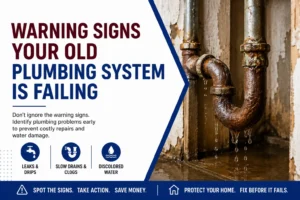
Causes of rusty water from faucets can range from aging plumbing materials to serious internal pipe damage hidden behind walls or under floors. When homeowners notice rusty tap water, orange stains in sinks, or a sudden change in water clarity, it usually points to problems within the water supply, the water heater, or aging plumbing systems. In many cases, the issue starts slowly and becomes worse over time as corroded pipes continue to break down.
If your tap water appears brown, yellow, or reddish when the water runs, it is important to determine whether the problem affects only hot water, only cold water, or the entire home. Understanding the source of rust in water pipes helps prevent larger plumbing failures, expensive water damage, and contamination concerns. According to the EPA drinking water guidance, corrosion inside plumbing materials can affect household water quality and should never be ignored.
Why Rusty Water Appears in Household Plumbing
Many homeowners first notice rust colored water from faucet fixtures after the home has been vacant for several hours. This happens because water sits inside aging metal pipes where a natural chemical reaction slowly breaks down iron components. As the inside of the pipe deteriorates, small particles mix into the moving water once the faucet turns on. This type of tap corrosion is especially common in older homes with galvanized steel plumbing systems.
In some homes, the discoloration only appears for a few seconds before returning to clean water. In others, the problem persists throughout the day because severe piping corrosion has already developed. Homeowners who notice repeated rusty water from faucet issues should not assume the problem will disappear on its own. Hidden corrosion can weaken pipes internally and eventually lead to leaks, restricted water pressure, or complete pipe failures. You can also review this plumbing upgrade guide for additional warning signs.
- Discolored water after inactivity
- Orange or brown sink stains
- Reduced water pressure
- Metallic taste in tap water
- Visible rust particles in water
Rusty Water Pipes and Internal Corrosion Problems
Rusty water pipes often develop from decades of mineral exposure, oxygen contact, and changing water chemistry. Older galvanized pipes are particularly vulnerable because the protective zinc coating inside the pipe slowly wears away. Once exposed, the underlying steel begins rusting internally. Over time, rust particles internal pipe corrosion build up and move through the plumbing whenever water flow increases.
DIY flushing may temporarily improve water clarity, but it rarely fixes the actual source of rust in water. Homeowners sometimes attempt chemical cleaners or pipe additives that can make the damage worse. Professional plumbers use camera inspections, pressure testing, and water analysis to determine whether localized repairs or complete repiping are necessary. If corrosion continues unchecked, the structural integrity of the plumbing system can weaken significantly. The NSF water treatment resource explains how aging plumbing materials can affect household water quality.
- Galvanized steel pipe deterioration
- Iron buildup inside pipes
- Restricted water flow
- Long term corrosion damage
- Increased risk of leaks
How Corroded Pipes Affect Daily Water Use
As corroded pipes continue breaking down, homeowners may notice inconsistent water pressure, cloudy water, or repeated plumbing leaks. Mineral buildup narrows the pipe diameter, which reduces flow throughout the house. Severe water rusting inside pipes can eventually affect appliances, washing machines, dishwashers, and fixtures connected to the main plumbing lines.
When the Water Heater Is the Problem
If discoloration only appears when using hot water, the issue may originate inside the hot water heater or hot water tank. Sediment accumulation, aging steel components, or a failing anode rod can create rusty water conditions throughout the hot water system. In many homes, rusty hot water is one of the earliest warning signs that the water heater is nearing the end of its service life.
Homeowners sometimes try draining the tank themselves for 20 minutes or longer, hoping to remove sediment buildup. While flushing may help temporarily, recurring discoloration often indicates internal tank corrosion that cannot be reversed. Professional plumbers inspect the anode rod, tank condition, and heating components to determine whether repair or replacement is more cost effective. You can learn more about warning signs in this water heater noise article.
- Rusty hot water only
- Sediment buildup in tanks
- Failing anode rods
- Discolored bathtub water
- Water heater corrosion
Signs Your Hot Water Tank Needs Attention
Aging tanks often produce popping sounds, reduced hot water supply, and visible rust near drain valves or fittings. If water rusty conditions only affect hot water fixtures, the heater itself should be professionally inspected quickly. Delaying service increases the risk of tank leaks and sudden water damage.
Municipal Water Supply Issues and Temporary Discoloration
Not every case of rust on water originates inside the home. Municipal maintenance work, water main repairs, or hydrant flushing can disturb iron sediment within city pipes. During these events, homeowners may temporarily notice rust colored water from faucet fixtures even when household plumbing is in good condition. The discoloration often clears after several minutes once the local water system stabilizes.
However, if neighboring homes are not experiencing similar problems, the issue likely exists within the property’s plumbing. A licensed plumber can determine whether the discoloration is external or internal by testing multiple fixtures and inspecting the main water line. Homeowners concerned about water quality should avoid guessing because unresolved corrosion can spread throughout the entire system. The hidden leaks guide explains how hidden plumbing damage often develops unnoticed.
- City hydrant flushing
- Water main maintenance
- Temporary discoloration
- Iron sediment disturbances
- Neighborhood water issues
How Water Chemistry Contributes to Pipe Corrosion
The mineral composition and acidity of local water directly affect pipe longevity. Certain water chemistry conditions speed up the corrosion process inside older metal plumbing. When minerals react with iron and steel components, a continuous chemical reaction occurs that gradually weakens pipe walls. Over time, this leads to rusting water, leaking joints, and deteriorating plumbing fixtures.
Some homeowners install a water softener to help manage mineral buildup, but softeners alone cannot repair already damaged pipes. In severe cases, acidic water accelerates corrosion so aggressively that pinhole leaks develop behind walls. Professional plumbing inspections identify whether filtration upgrades, pressure regulation, or repiping solutions are necessary to protect the home’s plumbing infrastructure. The Encyclopaedia Britannica corrosion guide explains how corrosion forms through environmental and chemical exposure.
- Acidic water conditions
- Mineral-heavy water supply
- Pipe wall deterioration
- Accelerated corrosion rates
- Long term plumbing damage
Why DIY Repairs Usually Fail
Many homeowners attempt to solve rusty water pipes problems with temporary flushing, store bought cleaners, or isolated pipe replacements. Unfortunately, corrosion rarely stays confined to one small section of plumbing. The visible discoloration is often only a symptom of a larger issue developing throughout the entire system. DIY methods may temporarily improve appearance while the internal deterioration continues growing unseen.
Professional plumbers use advanced inspection equipment to locate the true source of rust in water pipes. This may include camera inspections, pressure diagnostics, water testing, and heater evaluations. Without proper testing, homeowners risk misdiagnosing the problem and spending money on ineffective repairs. If corrosion reaches critical levels, untreated pipes may burst unexpectedly and create major structural water damage. This water damage guide explains how quickly plumbing failures can escalate.
- Temporary DIY flushing
- Misdiagnosed pipe problems
- Hidden corrosion spread
- Incomplete repairs
- Increased repair costs later
Signs Professional Service Is Needed
Homeowners should schedule plumbing service immediately if rusty water continues appearing for several days, affects multiple fixtures, or worsens over time. Persistent discoloration often signals serious corrosion inside pipes, the hot water heater, or the main water line. Strange odors, metallic tastes, visible pipe leaks, and fluctuating water pressure are also strong indicators that the plumbing system requires professional attention.
Waiting too long can increase repair costs significantly because corroded pipes continue deteriorating internally. Professional plumbers can identify whether isolated repairs, water heater replacement, or complete repiping solutions are necessary. In some cases, early intervention prevents catastrophic leaks and major property damage. If your plumbing system shows ongoing corrosion symptoms, scheduling a detailed inspection is the safest next step.
- Persistent rusty water
- Visible plumbing leaks
- Weak water pressure
- Hot water discoloration
- Frequent pipe repairs
Why Choose All American Plumbing
When homeowners experience recurring rusty tap water, they need accurate diagnostics instead of guesswork. Professional plumbers understand how corrosion affects aging pipes, water heaters, valves, and supply lines throughout the home. Experienced technicians use advanced inspection tools to locate hidden damage and recommend long term solutions that protect both water quality and plumbing performance.
All American Plumbing provides detailed plumbing inspections, leak detection, repiping evaluations, and water heater repair services designed to address the real source of corrosion problems. Homeowners can also explore plumbing services or schedule immediate help through emergency plumbing support when severe pipe issues develop unexpectedly.
- Professional corrosion diagnostics
- Water heater inspections
- Leak detection services
- Repiping recommendations
- Emergency plumbing support
FAQs
What causes rusty water from faucets in older homes?
Rusty pipes in older homes usually develop from aging galvanized plumbing. As metal pipes corrode internally, rust particles mix into household water. Over time, corrosion spreads through the plumbing system and affects both water clarity and water pressure.
Is rusty tap water dangerous to use?
Rusty tap water is not always dangerous, but it may indicate serious plumbing deterioration. Corrosion can allow sediment, metals, and contaminants to enter the water supply. Persistent discoloration should always be inspected by a licensed plumbing professional.
Why is only my hot water rusty?
If discoloration only affects hot water, the issue often originates inside the hot water tank or water heater. Sediment buildup, internal corrosion, or a failing anode rod commonly causes rusty hot water conditions.
Can a water softener stop pipe corrosion?
A water softener may reduce mineral buildup, but it cannot repair existing tap corrosion or damaged pipes. Severely corroded plumbing often requires professional repair or replacement to fully eliminate rust problems.
How long should I run water to clear rust?
Some temporary discoloration clears after the water runs for about 20 minutes. However, if the water remains discolored regularly, ongoing piping corrosion or municipal water issues may be responsible.
Can rusty water damage appliances?
Yes. Rust in water can stain fixtures and damage dishwashers, washing machines, and water heaters. Sediment buildup may also reduce appliance efficiency and shorten the lifespan of connected plumbing equipment.
What are signs of serious internal pipe corrosion?
Rust particles internal pipe corrosion often causes reduced water pressure, recurring leaks, metallic tasting water, and visible discoloration throughout multiple fixtures. These symptoms usually indicate widespread plumbing deterioration that requires professional evaluation.
Schedule Professional Plumbing Inspection Today
If you are noticing recurring causes of rusty water from faucets throughout your home, it is important to identify the source before hidden corrosion causes larger plumbing damage. Rusty water problems rarely resolve permanently without proper diagnosis, especially when aging pipes or water heater components are involved.
Whether the issue involves rusty water pipes, failing water heaters, or hidden corrosion inside plumbing lines, All American Plumbing can inspect the system and recommend the safest long term solution. Contact the team today to schedule a professional plumbing evaluation and restore reliable clean water throughout your home.